
Significance of Fundamental Duties under the Constitution of India
Fundamental duties are the basic norms which a citizen should adhere to voluntarily as he owes the same to the society and country. These are the values which should be implemented in the daily lives of the citizens. Citizens are responsible for their basic conduct towards the society they live in. The article discusses the significance of Fundamental Duties under the Constitution of India.
In 1976, the Congress Party set up the Sardar Swaran Singh Committee to make recommendations about fundamental duties. Government enacted the 42nd Constitutional Amendment Act in 1976. Part IV-A which consists of only one Article 51 A was added to the Constitution by 42nd Amendment, 1976. This Article specified the eleven fundamental duties for the citizens.The Fundamental Duties in the Indian Constitution are inspired by the Constitution of USSR.
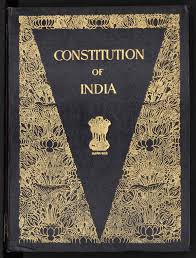
According to Article 51 A, it shall be the duty of every citizen of India:
(a) To abide by the Constitution and respect its ideals and institutions, the National Flag and the National Anthem
(b) To cherish and follow the noble ideals that inspired the national struggle for freedom
(c) To uphold and protect the sovereignty, unity and integrity of India
(d) To defend the country and render national service when called upon to do so
(e) To promote harmony and the spirit of common brotherhood amongst all the people of India transcending religious, linguistic and regional or sectional diversities and to renounce practices derogatory to the dignity of women
(f) To value and preserve the rich heritage of the country’s composite culture
(g) To protect and improve the natural environment including forests, lakes, rivers and wildlife and to have compassion for living creatures
(h) To develop scientific temper, humanism and the spirit of inquiry and reform;
(i) To safeguard public property and to abjure violence
(j) To strive towards excellence in all spheres of individual and collective activity so that the nation constantly rises to higher levels of endeavor and achievement
(k) To provide opportunities for education to his child or ward between the age of six and fourteen years. (This duty was added by the 86th Constitutional Amendment Act, 2002)
The duties incorporated in the Constitution are statutory duties and shall be enforceable by law. Parliament, by law, will provide penalties to be imposed for failure to fulfil those duties and obligations.
The Verma Committee on Fundamental Duties of the Citizens (1999) identified the existence of legal provisions for the implementation of some of the Fundamental Duties.
Rights and duties are correlative. The Fundamental Duties are intended to serve as a constant reminder to every citizen that while the Constitution specifically conferred on them certain fundamental rights. It also requires citizens to observe basic norms of democratic conduct and democratic behavior.
Since time immemorial the emphasis in Indian society in accordance with the dictates of the ancient scriptures has been on the individual’s kartavya, this is performance of one’s duties towards society, the country and especially towards one’s parents. The Gita and the Ramayana enjoin people to perform their duties without caring for their rights. These traditional duties have been given constitutional sanction. If one takes care to see, he will discover in the Constitution not only his rights but also his duties.
For the proper enforcement of duties it is necessary that it should be known to all. Most of the people of this country are illiterate and not politically conscious of what they owe to the society and country. Homes, Universities, officers and their places of work should all be made centers for imparting in the performance of their obligations.
In AIIMS Students Union v. AIIMS 2001 it was held by the Supreme Court that fundamental duties are equally important like fundamental rights. Though fundamental duties are not enforceable like fundamental rights but it cannot be overlooked as duties in Part IV A is prefixed by the same word fundamental which was prefixed by the founding fathers of the Constitution to ‘right’ in Part III.
Revised and updated on August 27, 2021.
Subscribe for updates
Join 10,000+ subscribers.
HA
Harshita Gulati
Contributing author
Have a doubt about this?Ask Doubts
